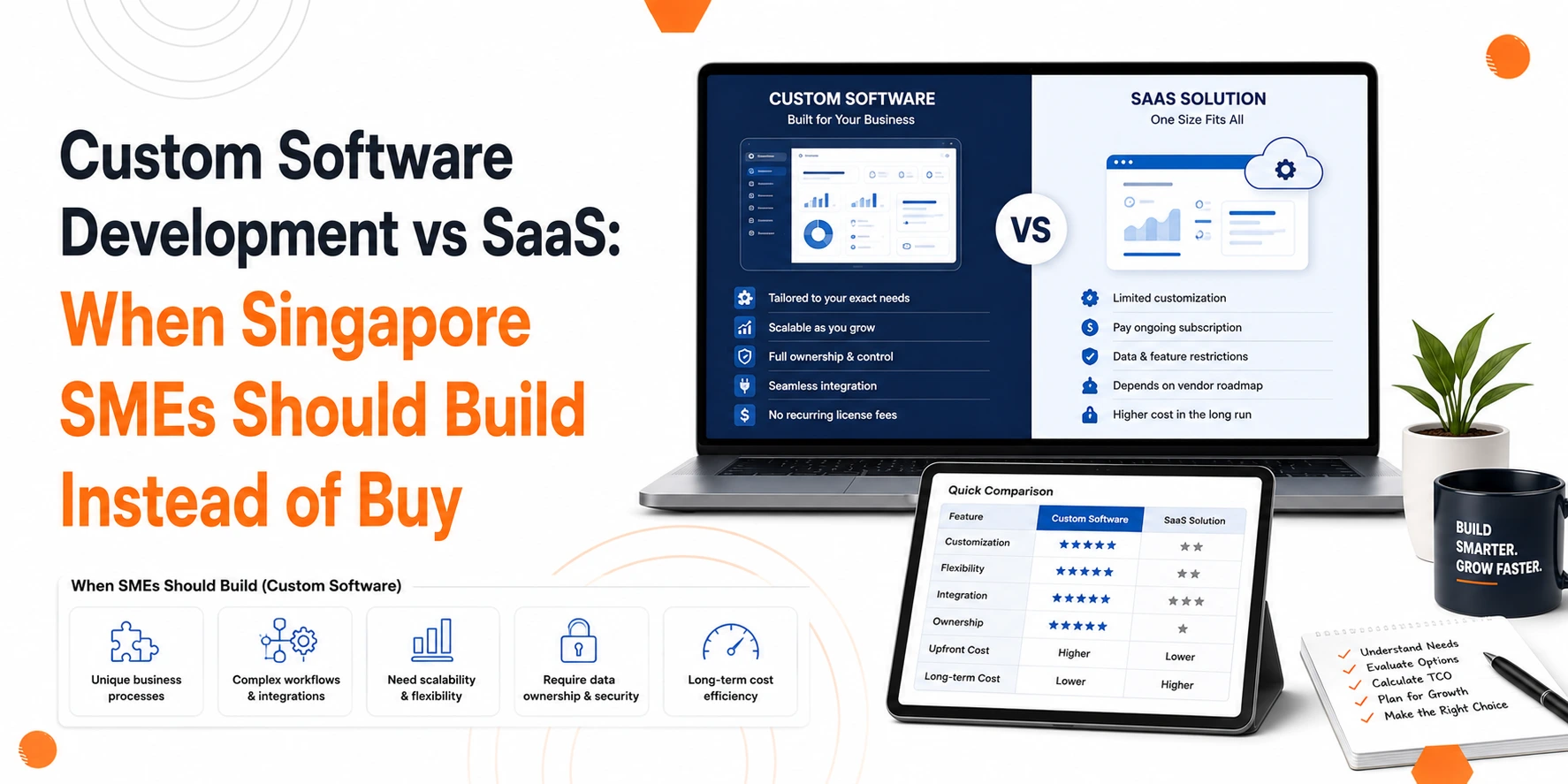
Custom software development is the better choice when your business has unique processes, needs greater flexibility, plans to scale, or requires better integration with existing systems. SaaS works well for businesses with standard requirements, limited budgets, and a need for quick implementation.
At first, SaaS may look like the easiest choice. It starts quickly, needs little technical knowledge, and often comes with a monthly subscription. As a business grows, standard software may no longer match its needs. That is when custom development becomes a smart choice.
This decision is not only about cost. It is about choosing software that supports your business today and grows with you tomorrow. In this guide, we will compare custom software vs SaaS, explain the strengths and limits of both, and help Singapore SMEs decide when it makes more sense to build instead of buy.
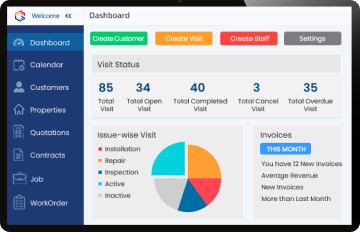
Build Custom Software That Fits Your Business
From CRM to inventory systems — we design solutions around your workflow, not the other way around.
What Is SaaS?
Software as a Service delivers its functionality through web-based software access, which users can reach via their internet connection. Businesses choose to run their software through an online service, which replaces the need for traditional office computers and server installations.
Most SaaS products help businesses handle common tasks. The system consists of accounting operations, project management tools, customer relationship management systems, inventory tracking capabilities, and communication systems.
Users can access their data by signing in through either a web browser or a mobile application.
How SaaS Works
A SaaS provider builds, hosts, updates, and maintains the software, while businesses simply log in and use it through the internet. Customers pay a monthly or yearly subscription to use it.
The provider handles:
- Software updates
- Security
- Server maintenance
- Data storage
- Technical support
Businesses only need an internet connection to use the software.
Advantages of SaaS
Many SMEs choose SaaS because it gives them a quick and simple way to use new technology.
Quick implementation
Most SaaS products work within hours or days. Businesses do not wait through a long development process.
Lower upfront cost
Instead of paying a large amount to build software, businesses spread the cost through monthly or yearly payments.
Regular updates
The provider keeps the software current and adds new features over time.
Easy access
Employees work from the office, home, or while travelling by using laptops, tablets, or mobile phones.
Proven functionality
Many businesses already use SaaS products. Their common features have solved everyday business needs for years.
Limitations of SaaS
Although SaaS offers many benefits, it does not suit every business.
Limited customisation
Businesses often change their work process to fit the software instead of using software that fits their work.
Ongoing subscription costs
Monthly payments may seem small at first. After several years, they can add up to a large amount.
Integration challenges
Some SaaS products do not connect well with existing business systems.
Limited control
The provider decides when to release updates, add features, or change prices. Businesses have little control over those decisions.
Scalability issues
As a business grows, standard features may no longer support its unique way of working.
These limits often encourage businesses to explore build vs buy software in Singapore more carefully.
Also Read: CRM Systems in Singapore: Features & Benefits for SMEs
What Is Custom Software Development?
Custom software development means creating software that matches the exact needs of one business.
Instead of using the same software as everyone else, businesses build software that supports their own work, goals, and daily tasks.
Many organisations partner with a custom development company to create systems that solve business problems without adding features they do not need.
Examples include:
- Customer management systems
- Inventory platforms
- Internal workflow systems
- Booking systems
- Enterprise resource planning platforms
Unlike ready-made software, these systems grow around the business.
How Custom Software Works
The process begins with learning about the business and its goals.
The software team works with business leaders to understand:
- Business goals
- User requirements
- System features
- Integrations
- Security requirements
After planning, developers design, build, test, and launch the software.
Many software development services also provide maintenance, updates, and technical support after launch.
Benefits of Custom Software
Many growing businesses choose bespoke software for SMEs because it gives them greater flexibility and long-term value.
Built around your business
The software follows the way your business works instead of asking your team to change their daily tasks.
Better efficiency
Employees finish work faster because they do not waste time finding ways around software limits.
Greater scalability
As your business grows, developers add new features without replacing the whole system.
Improved integration
Custom software links smoothly with existing tools and databases, making daily work easier.
Better security
The software includes security features that match your business needs and industry requirements.
Long-term value
Although businesses spend more at the beginning, they own software that continues to support growth without ongoing licence restrictions.
For many organisations looking for Singapore SME software solutions, this creates a strong advantage.
Challenges of Custom Software
Like every investment, custom software also brings a few challenges.
Higher upfront investment
Building software needs more money at the beginning than subscribing to a SaaS product.
Longer development time
Some projects take several months because developers create every feature from the ground up.
Planning is essential
Businesses need clear goals before development begins.
Ongoing maintenance
Businesses need software updates to maintain security standards and achieve peak performance because their operational requirements evolve.
Custom software providers with experience in serving SMEs enable businesses to handle their challenges through strategic planning and continuous assistance.
Read Also: What is custom software development
SaaS vs Custom Software: A Deep Comparison Across 5 Critical Factors
Choosing between custom software and SaaS depends on what your business needs most. These five areas make the differences easier to understand.
1. Cost
SaaS costs less at the beginning because businesses pay subscription fees.
Custom software needs a bigger investment first. Over time, businesses avoid ongoing licence fees and own the software they use. For businesses planning long-term growth, this investment may deliver greater value.
2. Flexibility
SaaS products include fixed features for many businesses. Custom development gives businesses full control over features, workflows, and the user experience.
This flexibility helps businesses that follow unique processes.
3. Scalability
SaaS platforms usually offer larger plans as businesses grow. Still, they may not support special workflows or unique features. Custom software grows with the business. Developers can build new features whenever they become necessary.
4. Integration
Most businesses use several systems every day. SaaS products may connect with common tools, but linking many systems together can become difficult.
Custom software connects smoothly with existing business systems from the beginning. This reduces repeated work and improves daily operations.
5. Ownership and Control
With SaaS, businesses pay to use the software.
The provider controls:
- Feature updates
- Pricing
- Product roadmap
With custom software, businesses own the software and choose how it grows in the future. This gives greater freedom and control.
When Custom Software Is the Better Investment
Not every SME needs custom software at the beginning. Still, some situations make custom development a better investment.
Your processes are unique
If your business follows special workflows, standard software may slow your team down.
Multiple systems do not communicate
When employees move information between different systems, work takes longer. Custom software joins these systems into one smooth process.
You plan to scale
Businesses with strong growth plans often benefit from software that grows with them.
Customer experience matters
A tailored platform helps businesses offer services that standard software cannot provide.
Subscription costs continue to rise
After several years, SaaS payments may cost more than building your own software. That is why many businesses exploring build vs buy software Singapore decide to invest in custom software.
SaaS vs Custom Software: Which One Is Right for Your Business Model?
There is no single answer for every business.
SaaS works well when:
- You need software quickly.
- Your needs are standard.
- Your budget is limited.
- Your team is small.
Custom software works well when:
- Your business has unique processes.
- You need stronger integration.
- You plan to grow.
- You want greater control.
- You want long-term value.
Many successful businesses begin with SaaS and later choose custom software development as their operations become more complex.
Conclusion
Technology enables business expansion, yet organisations must choose their software solutions through strategic decision-making processes. Businesses can access SaaS to obtain fast service delivery with straightforward setups and minimal initial expenses. The system operates successfully when organisations have basic operational requirements.
Organisations that develop reach a point when their standard software packages fail to support their business objectives, their operational procedures, and their upcoming development requirements. Custom software development at this point delivers software solutions that fulfill business requirements while enabling future business expansion and providing enhanced control for software enhancement decisions.
Every business operates with its own unique operating system. The correct decision requires you to evaluate your daily work tasks against your future growth objectives, available financial resources, and organisational targets. Singapore SMEs must evaluate product strengths against their limitations to select technology that provides enduring value to their business operations. The software selection process between SaaS and custom development services from specialised providers requires businesses to choose solutions that will help them grow steadily while boosting their productivity and building a better business future.