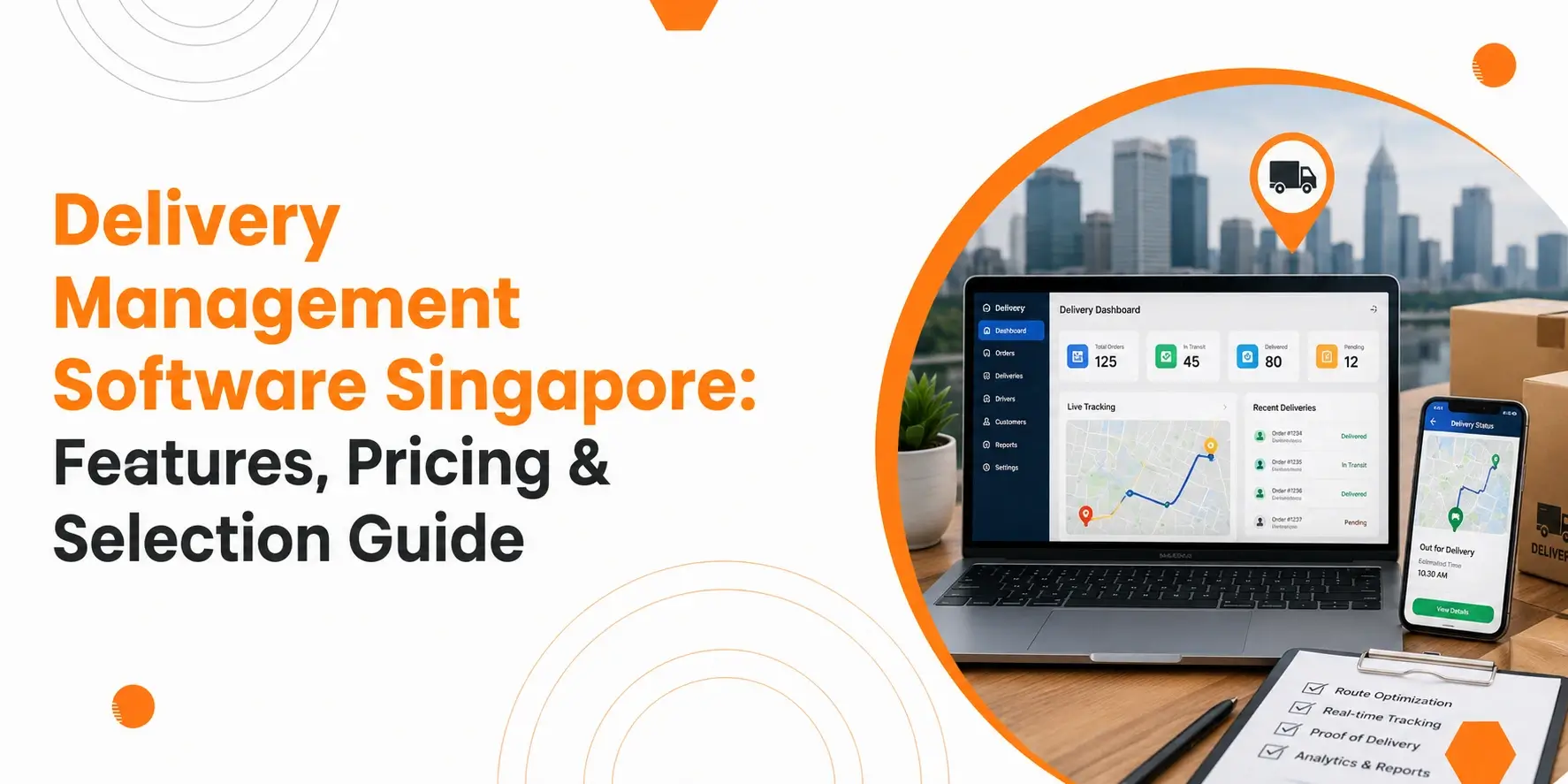
Delivery management software in Singapore helps businesses plan, schedule, track, and manage deliveries from one system. It improves delivery efficiency, reduces operating costs, provides real-time tracking, and enhances the customer experience. Choosing the right solution depends on your business size, delivery volume, required features, and budget.
Whether you run an eCommerce business, retail store, food delivery service, wholesale company, or logistics business, choosing the right solution can improve customer satisfaction while reducing operational costs.
In this guide, you’ll learn what a delivery management system is, the features to look for, pricing factors, and how to choose the right solution for your business.
Build Custom Software That Fits Your Business
From CRM to inventory systems — we design solutions around your workflow, not the other way around.
What is Delivery Management Software?
Delivery management software helps businesses plan, assign, track, and complete deliveries from one central system.
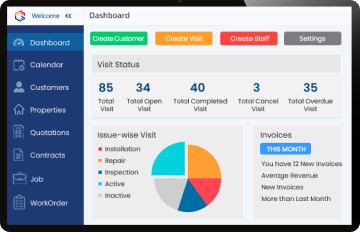
A delivery management system replaces manual planning, paper records, and endless phone calls with a digital process. It allows businesses to schedule deliveries, assign drivers, monitor vehicles, and confirm completed deliveries in real time.
Instead of relying on spreadsheets or handwritten delivery notes, businesses can manage every stage of the delivery journey from a single dashboard.
The software also improves communication between dispatchers, drivers, and customers by providing updates throughout the delivery process.
If you’re new to this topic, read our guide on What is a Delivery Management System to understand how the technology works and why more businesses are adopting it.
Why Businesses in Singapore Need Delivery Management Software
Businesses use delivery management software in Singapore to improve delivery speed, reduce costs, and provide a better customer experience.
Singapore has one of the world’s busiest logistics networks. Customers expect same-day or next-day deliveries, while businesses must deal with traffic, limited parking, and high operating costs.
Using delivery management software in Singapore helps businesses manage these challenges more effectively. Some of the biggest benefits include:
Better Route Planning
The system creates optimised delivery routes that reduce driver road time while cutting down their fuel consumption costs.
Faster Delivery Scheduling
The system automatically assigns delivery drivers to every upcoming order that will be processed in the future.
Real-Time Delivery Tracking
Businesses need to follow their present deliveries, which travel through the system, while they must quickly respond to delivery delays.
Improved Customer Communication
The support team no longer needs to handle delivery status requests because customers now get delivery updates through their system.
Better Resource Management
Managers need only one system to track their drivers’ performance and monitor how their vehicles operate and their delivery accomplishments.
What are the Key Features to Look for in a Delivery Management System
The best delivery management system includes route planning, delivery tracking, scheduling, proof of delivery, and reporting tools.
Not every solution offers the same capabilities. Before making a decision, look for delivery management system features that solve your daily delivery challenges.
Route Optimisation
Efficient route planning reduces unnecessary travel and helps drivers complete more deliveries each day. The system should automatically calculate the best route based on delivery locations and traffic conditions.
Delivery Scheduling System
A delivery scheduling system makes it easier to assign deliveries to drivers based on location, vehicle capacity, and availability. This reduces manual work and helps prevent scheduling conflicts.
Delivery Tracking
A reliable delivery tracking system Singapore businesses can depend on should provide live updates throughout the delivery journey. Managers can see driver locations while customers receive order status notifications.
Proof of Delivery
Drivers can collect digital signatures, photographs, or delivery confirmations using a mobile device. This helps reduce disputes and creates accurate delivery records.
Driver Mobile Application
Drivers should be able to:
- View assigned deliveries
- Navigate delivery routes
- Update delivery status
- Capture proof of delivery
- Communicate with dispatch teams
Customer Notifications
Automatic notifications keep customers informed about delivery status and estimated arrival times. This reduces customer enquiries and improves the delivery experience.
Reports and Analytics
A good delivery management system provides reports on:
- Delivery performance
- Driver productivity
- On-time deliveries
- Failed deliveries
- Fuel usage
- Operational efficiency
These insights help businesses improve performance over time.
Industries That Use Delivery Management Software
Many industries rely on delivery management software to manage deliveries more efficiently. Businesses across different sectors have unique delivery needs. Common industries include:
eCommerce
Online retailers handle their expanding number of orders while keeping their delivery status information precise.
Retail
Retail operations handle their delivery operations, which move products from storage facilities to retail locations and final buyer destinations.
Wholesale Distribution
Business locations operate their scheduled delivery operations through supplier management.
Food and Beverage
Restaurants, together with distributors, use delivery software to maintain their delivery schedules.
Healthcare
Medical suppliers require precise delivery timing and tracking abilities to handle their essential product shipments.
Manufacturing
Manufacturers organize their delivery operations through delivery management, which connects their production rooms and storage facilities with customer destinations.
How Much Does Delivery Software Cost in Singapore?
Delivery software Singapore cost depends on business size, users, features, and deployment requirements.
There is no fixed price because every business has different delivery volumes and operational needs. The following factors usually affect pricing.
Number of Drivers
More drivers generally require additional user licences.
Delivery Volume
Businesses managing thousands of deliveries each month may require advanced features and larger system capacity.
Required Features
Basic solutions often include scheduling and tracking, while advanced systems may include reporting, route optimisation, customer notifications, and integrations.
Mobile Applications
Some businesses require dedicated driver apps with offline functionality.
Integration Requirements
Connecting the software with ERP, accounting, warehouse, or eCommerce systems can affect implementation costs.
Support and Training
Implementation, onboarding, and technical support may also influence pricing.
When evaluating delivery software Singapore cost, focus on the value the system delivers rather than choosing the lowest-priced option.
How to Choose the Best Delivery Management Software in Singapore
Choose software that matches your delivery process, business size, and future growth plans.
Finding the best delivery management software in Singapore requires more than comparing prices. Consider these points before making a decision.
Understand Your Business Needs
First, establish the main delivery obstacles that you need to address.
For example:
- Late deliveries
- Poor route planning
- Manual scheduling
- Limited delivery visibility
- Customer complaints
Select software solutions that directly resolve these existing issues.
Look for Easy-to-Use Software
The system provides an easy learning curve for dispatchers, drivers, and their managers. Users tend to avoid software programs when they present complex interfaces.
Check Scalability
Your delivery requirements may grow over time. The solution needs to support additional drivers and vehicles and delivery locations without requiring substantial system modifications.
Review Reporting Features
Performance reports show delivery delays, together with delivery patterns and ways to make operations more efficient.
Ensure Integration Capability
The software needs to connect successfully with all business systems that exist within your organisation.
The system creates efficiency through its duplicate work reduction, which simultaneously improves data accuracy.
Consider Customer Experience
Delivery updates, together with live tracking and digital proof of delivery, help customers build trust, which leads to better customer satisfaction.
“Read Out How to How A Delivery-Management System Improves Customer Experience”
Common Challenges Without a Delivery Management System
Businesses without a delivery management system often experience delays, higher costs, and limited delivery visibility. Manual delivery operations create unnecessary problems. These include:
- Missed delivery windows
- Poor communication
- Route inefficiencies
- Higher fuel costs
- Delivery disputes
- Paper-based records
- Limited reporting
- Lower customer satisfaction
A digital delivery management system in Singapore helps businesses overcome these issues through automation and real-time visibility.
What are Future Trends in Delivery Management
Delivery management is becoming more connected, automated, and data-driven. Businesses continue to adopt smarter delivery processes to improve efficiency. Some of the latest developments include:
- Better route optimisation
- Real-time analytics
- Mobile-first driver tools
- Predictive delivery planning
- Paperless proof of delivery
- Cloud-based delivery platforms
- Improved customer communication
To explore how the industry is evolving, read our guide on Delivery Software Trends.
What Questions to Ask Before Choosing Delivery Software
Asking the right questions helps businesses compare solutions more effectively. Before making a decision, ask the following:
- Does the software support real-time tracking?
- Is route optimisation included?
- Can drivers capture proof of delivery?
- Is there a mobile application?
- Can it integrate with existing business systems?
- Does it provide reporting and analytics?
- Can the system grow with the business?
- What training and support are available?
These questions make it easier to compare available options.
Final Thoughts
The proper Delivery management software in Singapore enables businesses to operate more efficiently while they spend less money, and their customers receive superior delivery services. Singapore businesses need to choose their delivery management software because they require dependable delivery operations to run their operations.
The perfect solution needs to make scheduling easier while it helps users track deliveries better, and it finds the most efficient routes and shows every stage of the delivery process. The system needs to support business expansion through its design, which avoids creating complicated processes. Before selecting a solution, you must assess its features while you identify your business requirements, and you should focus on long-term benefits instead of short-term cost savings. A delivery management system investment in Singapore, which receives proper planning, will help businesses increase their operational efficiency while building better customer relationships and maintaining their market expansion.