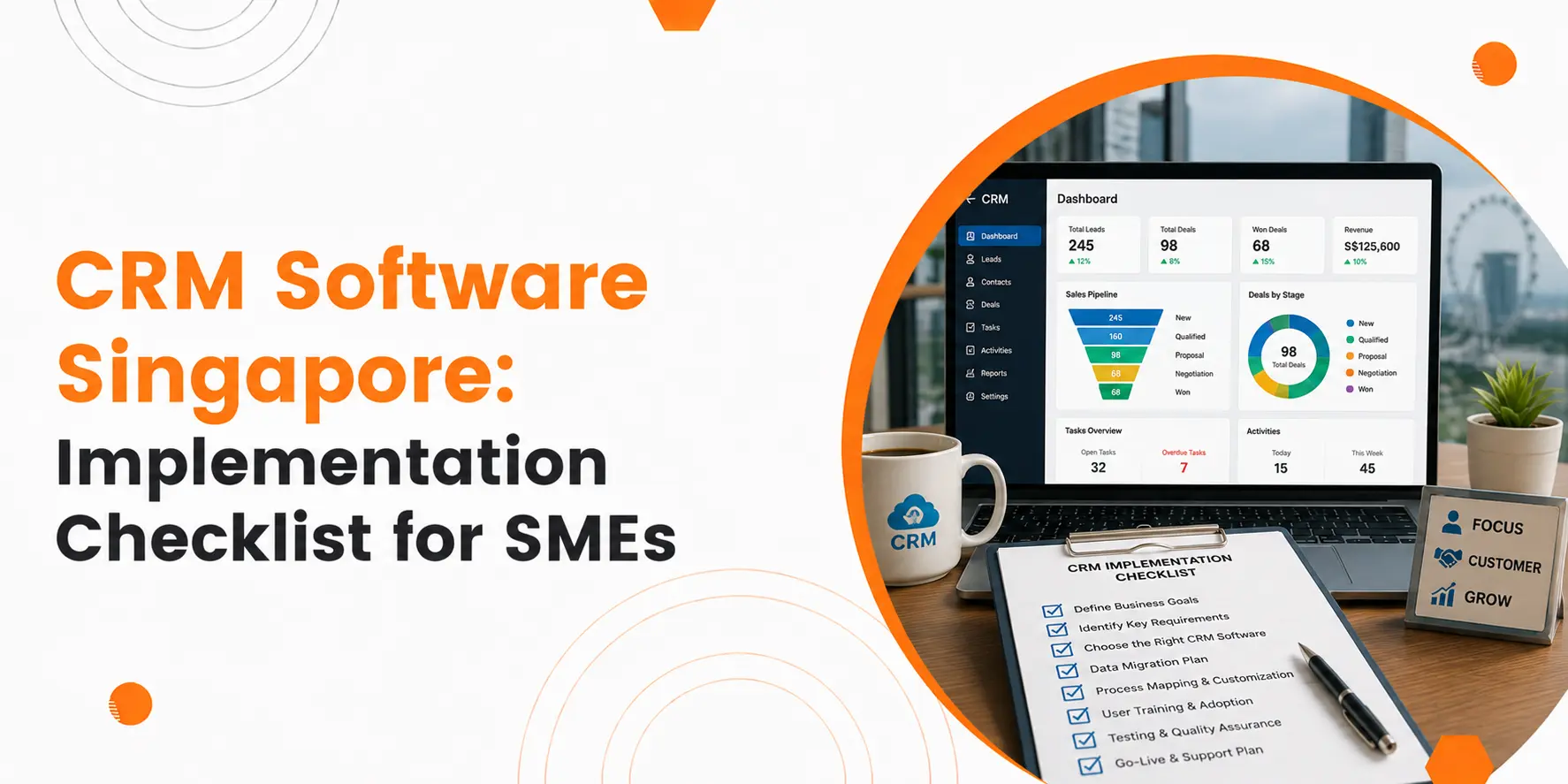
Choosing the right CRM software in Singapore is only the first step. The real challenge begins during implementation. A well-planned rollout helps your team adopt the system faster, keeps customer data organised, and reduces disruptions to daily work.
Many small and medium-sized businesses rush the implementation process. This often leads to poor data quality, low user adoption, and missed business goals.
This guide provides a practical CRM implementation checklist for Singapore SMEs to help them prepare for a successful launch. Whether you are replacing spreadsheets or upgrading your existing CRM system in Singapore, these steps can help you avoid common mistakes.
Build Custom Software That Fits Your Business
From CRM to inventory systems — we design solutions around your workflow, not the other way around.
Why is a CRM Implementation Checklist Important?
A CRM implementation checklist helps businesses plan each stage, reduce risks, and improve user adoption from day one. Buying software is easy. Making it work across your business takes planning. Without clear goals and a structured process, even the best customer relationship management software can fail to deliver results. A checklist helps you:
- Keep the project organised
- Reduce implementation delays
- Improve data quality
- Prepare employees before launch
- Measure success after implementation
A planned CRM rollout for SMEs also helps minimise disruption to sales, marketing, and customer service teams.
What Should You Do Before Implementing CRM Software?
Start by understanding your business needs, current processes, and long-term goals.
Every business works differently. Before introducing new CRM solutions in Singapore, review how your teams currently manage customer information.
Identify your business goals
Ask questions such as:
- What problems are you trying to solve?
- Which processes take the most time?
- Where do customers experience delays?
- What improvements do you expect?
Clear goals make it easier to measure success later.
Review your current workflow
Look at how customer information moves through your business.
Check:
- Sales enquiries
- Customer support
- Marketing campaigns
- Follow-up activities
- Reporting methods
Understanding your existing workflow helps you choose the right setup for your CRM system in Singapore. Before moving ahead with implementation, it is also worth understanding the CRM Systems Features & Benefits so you can identify the functions that best support your sales, marketing, and customer service processes.
Is Your Customer Data Ready for Migration?
The implementation process becomes faster when data remains organised and clean, which also leads to better reporting accuracy.
Most businesses fail to recognise the critical value that data preparation activities bring to their operations. Organisations face various problems during their initial system implementation because they must transfer inaccurate and obsolete data into their new platform. Your data needs proper preparation before migration because it enables your customer relationship management software to deliver its full capabilities.
Remove Duplicate Records
Duplicate customer records can cause confusion and inaccurate reporting. Review your database carefully and merge or remove repeated entries before migration.
Delete Inactive Contacts
Old or inactive contacts can clutter your database. Remove records that are no longer useful, so your new system contains only relevant customer information.
Correct Missing Information
Check for incomplete customer records. Fill in missing details such as names, contact numbers, email addresses, or company information wherever possible.
Standardise Customer Data
Use a consistent format for phone numbers, addresses, dates, and other customer details. Standardised data improves search results and reporting accuracy.
Validate Email Addresses
Review email addresses to identify errors or outdated contacts. Accurate email information supports better communication after implementation.
Why Does a CRM Migration Checklist Matter?
A structured migration checklist helps prevent poor-quality data from entering your new system. Clean data also makes reporting more reliable and improves the overall performance of your CRM system in Singapore.
Who Should Be Involved in the Implementation Process?
The CRM system requires representation from all departments that will operate the system.
The CRM implementation process creates effects that extend past the sales department. The system will achieve its goals when all business units develop their core requirements together with their operational needs for their daily activities.
Business Owners
Business owners establish strategic direction while they confirm budget allocations and verify that all operations follow the company’s established goals.
Sales Teams
The sales team members understand how sales work, and they know which system elements will help them handle leads, customer relationships, and sales opportunities.
Marketing Teams
Marketing teams establish system requirements for customer segmentation, campaign tracking, and lead management operations.
Customer Service Representatives
Customer support teams need to identify essential tools that will help them manage customer inquiries and complaints through better operational workflows.
Operations Managers
The CRM system needs operations managers to protect its business process functions, reporting capabilities, and its ability to connect different organisational units.
Why Is Cross-Department Collaboration Important?
Each department has different requirements. Including everyone during planning leads to a smoother implementation and helps your CRM solutions in Singapore meet the needs of the entire business. If you are still comparing different options, understanding the difference CRM Software vs CRM System can also help you make better implementation decisions and set realistic expectations for your business.
How Should You Prepare Your Employees?
Train users before the system goes live so they feel confident using it.
Employees are more likely to adopt a new system when they understand how it supports their daily work. Providing training before launch helps reduce uncertainty and builds confidence.
Teach Daily Tasks
Show employees how to complete the activities they perform every day, including creating records, updating information, and tracking customer interactions.
Explain Customer Record Management
Users need to learn how to add customer data correctly, and they should also acquire editing abilities and organisational skills that help them maintain perfect data quality.
Demonstrate Reporting Features
Employees should learn how to create reports that they can use for business insight analysis that leads to better decision-making.
Cover Contact Updates
The process for updating customer information requires following specific steps to maintain correct and consistent records.
Train Activity Tracking
Users need to learn the process of recording all customer interactions, which include calls, meetings, and follow-up activities through the system’s interface.
Encourage Questions and Feedback
Give employees opportunities to ask questions during training sessions and share feedback. Addressing concerns early helps improve confidence and encourages adoption.
What Should Your CRM Implementation Checklist Include?
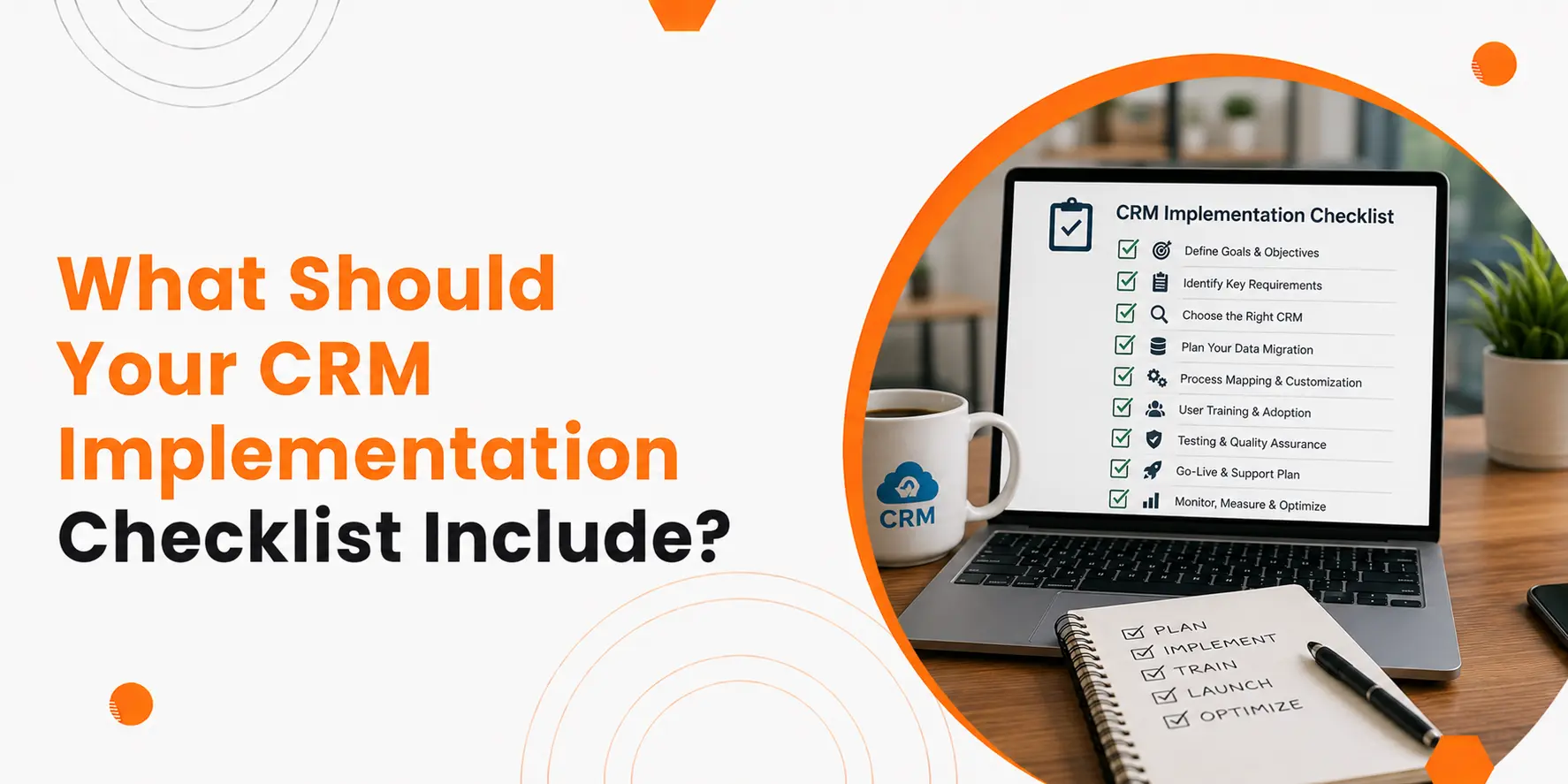
A structured checklist keeps every stage of the project on track.
Business planning
- Define project objectives
- Set realistic timelines
- Assign responsibilities
- Allocate resources
Data preparation
- Remove duplicate contacts
- Validate customer records
- Organise customer categories
- Prepare files for migration
System configuration
- Set up user roles
- Configure sales stages
- Create customer categories
- Build reporting dashboards
User preparation
- Train employees
- Provide user guides
- Collect early feedback
- Address common concerns
Testing
Before launch:
- Test customer records
- Review workflows
- Check reports
- Verify permissions
- Confirm integrations if required
Following this CRM implementation checklist in Singapore helps reduce unexpected issues after launch.
How can SMEs ensure a Smooth CRM Rollout?
Introduce the system in phases instead of changing everything at once.
A gradual CRM rollout for SMEs allows employees to adapt without feeling overwhelmed.
Good practices include:
- Start with one department
- Gather user feedback
- Resolve issues early
- Expand implementation gradually
- Monitor user adoption
A phased rollout also gives management time to improve processes before expanding across the business.
What Challenges Do SMEs Commonly Face During Implementation?
Most implementation problems are caused by planning issues rather than the software itself.
Common challenges include:
Poor data quality
Old or inaccurate customer records reduce reporting accuracy.
Low employee adoption
Without training, employees may continue using spreadsheets or manual processes.
Unclear objectives
Businesses sometimes implement a CRM without defining measurable goals.
Lack of internal ownership
Every implementation needs someone responsible for managing progress and supporting users.
Recognising these challenges early helps businesses gain more value from their CRM solutions in Singapore.
How Do You Measure Implementation Success?
Measure both business outcomes and employee adoption after launch.
The process of CRM implementation starts after the system has been installed. To determine if your investment generates value, you should track essential performance indicators on a regular basis. Tracking the right metrics helps you identify what is working, where improvements are needed, and whether your CRM system in Singapore is supporting your business goals.
Customer Response Time
Measure how quickly your team responds to customer enquiries and support requests. Organisations that answer customer needs quickly create better customer satisfaction, which leads to stronger customer relationships.
Lead Conversion Rate
Track the percentage of leads that become paying customers. An increase in lead conversion suggests your CRM software is helping your sales team manage opportunities more effectively.
Customer Retention
Evaluate customer retention by tracking the number of customers who maintain their business relationship with your company throughout different time periods. The combination of high retention rates with customer engagement metrics indicates that businesses successfully generate enduring customer bonds through their relationship management practices.
Sales Pipeline Visibility
You need to track your team’s ability to monitor sales opportunities throughout every stage which constitutes the sales process. Managers achieve better decision-making through enhanced business visibility because they can identify bottlenecks and analyse vital information.
Employee Usage Rates
Check how consistently employees use the CRM for their daily activities. High user adoption is a strong sign that the system has been successfully implemented and accepted across the business.
Data Accuracy
The process of reviewing customer records should happen frequently to verify that all information stays accurate and current. Organisations can make superior decisions through reliable data, which produces superior reports.
Why Should You Review Performance Regularly?
Regular performance reviews help you identify areas for improvement and ensure your CRM software in Singapore continues to support your business as it grows. CRM implementation is not a one-time project. As your processes, customers, and business needs change, your system should continue to evolve to deliver long-term value.
Conclusion
Overall, Companies require more than basic CRM software in Singapore installation to achieve their implementation objectives. Organisations need to develop strategic plans, maintain clean customer data, train their employees, and continue working on system improvements.
Organisations operating in Singapore can minimise their business risks and enhance their system adoption by following a specific CRM implementation checklist that Singapore-based SMEs have developed.
The process of changing systems becomes simpler when you prepare your data and involve the proper personnel, and you introduce the system through multiple implementation phases.
Organisations in Singapore need to develop their first CRM system or improve their existing solution through strategic planning to achieve maximum benefits from their software, which supports their business development.