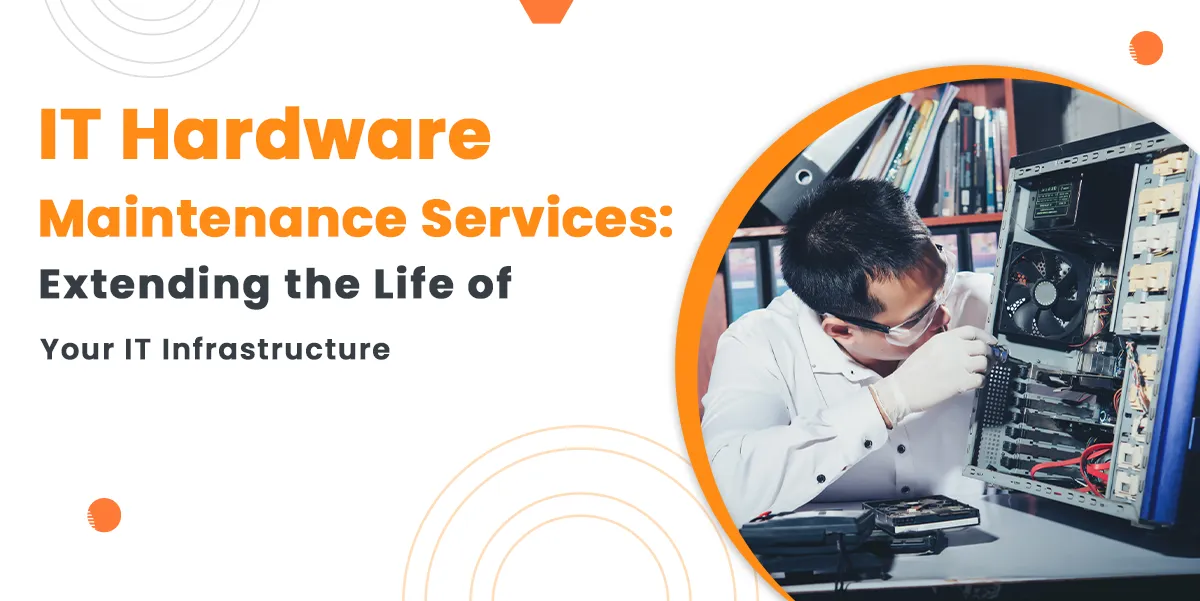
Every business needs IT hardware to maintain its essential business operations. Servers store data while network devices enable communication, and systems monitor team productivity levels. Hardware devices fail to operate at their best when they first leave the factory.
Systems that lack appropriate maintenance will experience performance declines and their operational lifespan will shorten, while their maintenance expenses will grow steadily. This is why many organisations invest in IT hardware maintenance services to protect their systems and ensure long-term performance. These services help maintain performance, reduce risks, and extend the life of IT infrastructure.
Organisations need to establish defensive measures for their systems, which should operate with stability instead of dealing with emergency maintenance and system breakdowns. Businesses can prevent unplanned system breakdowns, which lead to expensive equipment replacements, through proper operational techniques.
The guide presents information about maintenance operations and their essential role, which helps users understand how maintenance activities extend the operational lifespan of their IT equipment through various essential elements.
Build Custom Software That Fits Your Business
From CRM to inventory systems — we design solutions around your workflow, not the other way around.
What Are IT Hardware Maintenance Services?
IT hardware maintenance services involve the regular care, monitoring, and repair of physical IT equipment. This includes:
- Servers
- Network devices
- Storage systems
- Desktop systems
The purpose is to keep hardware running well for as long as possible.
Many businesses work with IT hardware maintenance companies to handle this. These providers offer expert support and structured maintenance plans.
Read Also: IT Maintenance Services Singapore: Reducing Downtime & Improving IT Performance
Why Hardware Fails Earlier Than Expected
Hardware rarely fails without warning. In most cases, small issues build up over time and lead to early failure.
Heat Build-Up
Hardware gets damaged mainly because it produces too much heat during use.
The cooling system fails to work properly when blocked airflow occurs, which leads to system overheating that causes internal components to experience faster deterioration.
Dust Accumulation
Dust particles spread throughout devices, which block their ability to circulate air. The system temperature rises because of this situation, which causes hardware components to have shorter lifespans.
Continuous Heavy Usage
Hardware that runs under constant load experiences more wear. The system will fail to function properly because of this stress when monitoring activities become insufficient.
Outdated Firmware
Sometimes old firmware versions create system stability problems that break compatibility between different system components.
Due to this, the system experiences performance degradation, which leads to higher chances of system failures.
Lack of Regular Maintenance
The absence of regular inspections leads to small problems becoming significant issues that people fail to detect.
If small problems are ignored by people during maintenance work, they will eventually develop into major system failures.
How Maintenance Extends Hardware Life
This is the most important part because maintenance does not just fix problems, but it slows down wear and keeps systems stable over time.
1. Reducing Heat Damage
Heat stands as the primary factor that causes hardware systems to fail. The system experiences limited airflow because dust accumulation blocks its ventilation system, which results in elevated temperature levels.
The maintenance operations that you execute will remove dust particles while they inspect cooling systems and verify that all ventilation systems function correctly.
The system maintains temperature control through this process, which also prevents permanent damage to its sensitive parts.
2. Preventing Component Strain
Hardware systems maintain continuous operation because they function without interruptions during peak business periods. The system elements experience growing stress because of this operational approach.
Maintenance systems fulfill their duties through system monitoring, workload distribution, and performance optimisation, which reduces hardware stress to extend its operational duration.
3. Replacing Parts Before Failure
The lifespan of small components such as fans, power units, and cables tends to end before larger system failures occur. The system will develop major problems when you neglect to replace these parts during the proper time period.
The process of regular maintenance checks enables technicians to discover deteriorating parts at their initial stages so they can replace them before they cause any harm. The system maintains stability because it prevents any sudden system failures from occurring.
4. Keeping Firmware Updated
Outdated firmware creates performance problems, which also make systems less stable. The system creates problems when users try to operate it with modern operating systems.
Hardware maintenance requires regular updates to operate at its best because these updates fix existing problems and improve functionality while extending the service life of the equipment.
Real Example
A server without maintenance may last around 3 to 4 years before issues begin to appear. The server will continue to function at its best through a period of five to seven years when you provide it with necessary maintenance and perform routine inspections.
The system achieves better operational results while extending its service life, which results in major financial savings because it needs fewer replacement parts.
Key Components of IT Hardware Maintenance
Preventive Maintenance
Preventive maintenance focuses on stopping problems before they occur. It involves regular inspections, cleaning hardware components, checking system performance, and applying necessary updates.
By addressing small issues early, this approach helps to maintain system stability and reduces the risk of unexpected failures.
Corrective Maintenance
Corrective maintenance deals with fixing issues after they arise. This includes repairing faulty hardware, replacing damaged parts, and restoring systems to normal operation.
While it is an essential part of maintenance, relying only on corrective actions can lead to higher costs and more downtime.
Predictive Maintenance
Predictive maintenance uses monitoring tools and system data to detect early signs of failure. It allows businesses to identify potential issues before they become serious problems.
This approach supports better planning, reduces unexpected downtime, and helps to maintain consistent system performance over time.
Benefits of IT Hardware Maintenance Services
1. Longer Hardware Lifespan
One of the biggest advantages of IT hardware maintenance services is improved system reliability and lifespan. Regular maintenance helps reduce wear and tear on critical components. Hardware systems maintain optimal performance when users perform system maintenance, which involves cleaning, monitoring, software updates, and system monitoring.
The replacement process gets delayed while you receive better value from your financial investment.
2. Lower Costs Over Time
The process of hardware replacement generates high expenses, which cause business operations to experience unplanned shutdowns.
The maintenance programs help prevent early system upgrades because they preserve system operations through their regular upkeep activities.
The system operates with reduced emergency breakdowns, which leads to expected maintenance expenses that organisations can manage.
3. Reduced Downtime
The business operations face complete shutdowns because of unexpected system failures.
Maintenance programs enable staff members to find potential problems at first, which prevents systems from experiencing unexpected breakdowns.
The system stays accessible through this approach, which enables regular operational tasks to continue without interruption.
4. Better System Performance
Hardware performs at its best when users perform proper maintenance work on the equipment. Regular system checks and updates help systems operate at their best because these activities boost system speed and enhance overall workplace productivity.
5. Improved Security
The use of outdated hardware creates security vulnerabilities that threaten system safety.
As maintenance programs keep systems updated, they protect them from security threats, which minimises their exposure to potential risks.
The True Cost of Ignoring Maintenance
Some businesses skip maintenance to save money because it leads to higher costs later.
Example scenario:
Without maintenance:
- Frequent breakdowns
- Emergency repairs
- Early hardware replacement
With maintenance:
- Stable performance
- Fewer disruptions
- Longer hardware life
So, the difference is clear.
In-House vs IT Hardware Maintenance Companies
Businesses can manage maintenance internally or work with experts.
| Aspect | In-House Maintenance | IT Hardware Maintenance Companies |
|---|---|---|
| Overview | Managed internally by your own team | Managed by external experts |
| Pros | Direct control, Immediate access | Skilled specialists, structured maintenance plans, scalable support |
| Cons | High staffing costs, Limited expertise, and time constraints | Less direct control |
| Best For | Businesses with strong internal IT teams | Businesses seeking cost-effective and reliable support |
How to Choose the Right Maintenance Provider
Not all providers offer the same level of service, so choosing the right one is important for long-term reliability.
Experience
A reliable provider should have strong technical knowledge and proven experience in handling different types of hardware. This ensures they can manage both simple and complex issues effectively.
Response Time
Quick response time is essential because delays can lead to extended downtime. A provider that offers fast support helps keep systems running smoothly.
Service Coverage
It is important to choose a provider that can support servers, network devices, and other critical systems. Complete coverage avoids gaps in maintenance.
Flexibility
Services should match your business needs. A good provider offers flexible plans that can adjust as your requirements change.
Support Availability
Consistent support ensures help is available whenever needed. This provides peace of mind and maintains system stability.
Best Practices to Extend IT Infrastructure Life
1. Schedule Regular Maintenance
Regular maintenance is essential for keeping your IT systems stable and reliable. Instead of waiting for problems to appear, planned checks help identify issues early and prevent unexpected failures. This approach keeps systems running smoothly and reduces long-term risks.
2. Monitor System Health
Tracking system performance allows you to detect early signs of trouble. By monitoring usage, temperature, and overall performance, you can address small issues before they turn into major problems, ensuring consistent operation.
3. Keep Systems Clean
Dust and heat can damage hardware over time. Regular cleaning improves airflow and helps maintain safe operating temperatures. This protects internal components and supports better performance.
4. Replace Parts Early
Small components often wear out first. Replacing them early prevents larger failures and keeps systems stable, avoiding costly repairs.
5. Work with Experts
Professional support ensures your systems receive proper care. Experts can identify risks, apply best practices, and help extend the life of your IT infrastructure.
When to Upgrade Instead of Maintain?
You need to identify the proper time for system upgrades because maintaining your systems requires the same level of attention. The hardware life span extends through maintenance activities, but users need to replace their equipment after reaching the point of replacement.
Your hardware receives life extension through maintenance, yet systems will eventually stop operating. The equipment that receives proper maintenance will eventually require upgrade implementations.
The systems show continuous breakdowns, which prove their unreliability and create disruptions for daily business operations.
The slow system performance decreases work efficiency while creating negative effects for users who need to complete vital assignments.
The cost of repairs becomes too high to justify keeping the hardware because purchasing new equipment seems more affordable than maintaining existing equipment.
Your business faces two major problems that stop it from achieving its development targets because of system incompatibility with the latest software programs.
A balanced approach works best. The maintenance work should continue when systems function properly, but you need to schedule system upgrades after performance and reliability start to deteriorate.
Why Businesses Focus on Maintenance in Singapore
High Dependence on IT Systems
Singapore businesses need IT systems to operate their daily business activities. Hardware functions as the main component that supports both communication systems and data storage operations. The occurrence of any system breakdown generates operational interruptions, which lead to decreased work productivity.
Cost of Downtime
Downtime creates two major problems because it stops businesses from making money while it prevents them from serving their clients through their services. Short service interruptions create two major problems because they damage customer faith in the company, while they also harm business performance. Regular maintenance helps reduce these risks and keeps systems stable.
Need for Reliable Performance
Businesses need their systems to operate consistently at high performance levels because this requirement enables them to maintain their market position. Businesses rely on server maintenance in Singapore to keep systems stable and efficient.
Strong Network Infrastructure
Businesses need to connect their networks through stable connections because digital requirements grow each year. The network hardware support system in SG enables businesses to maintain steady communication, which results in operating their teams without any interruption.
Conclusion
The smooth functioning of your business depends on IT hardware, which serves as its main operational core. The absence of correct upkeep will cause systems to break down during their early operational period, resulting in elevated expenses and system unavailability.
IT hardware maintenance services offer an organised system that helps you defend your infrastructure while you operate its management. The system components receive protection, which leads to better system performance and longer system lifespan. Investing in IT hardware maintenance services ensures long-term performance, stability, and cost control.
The system enables businesses to make better decisions through its ability to combine strategic planning with financial monitoring. Organisations need to provide preventive healthcare services at specific times to avoid complete system failures, which lead to continuous business operations.
The IT environment, which receives proper maintenance, enables organisations to conduct their daily operations while minimising their exposure to potential security threats. The system operates as a long-term solution that helps businesses maintain their operational efficiency while protecting their reliable services and preparing for future expansion.