
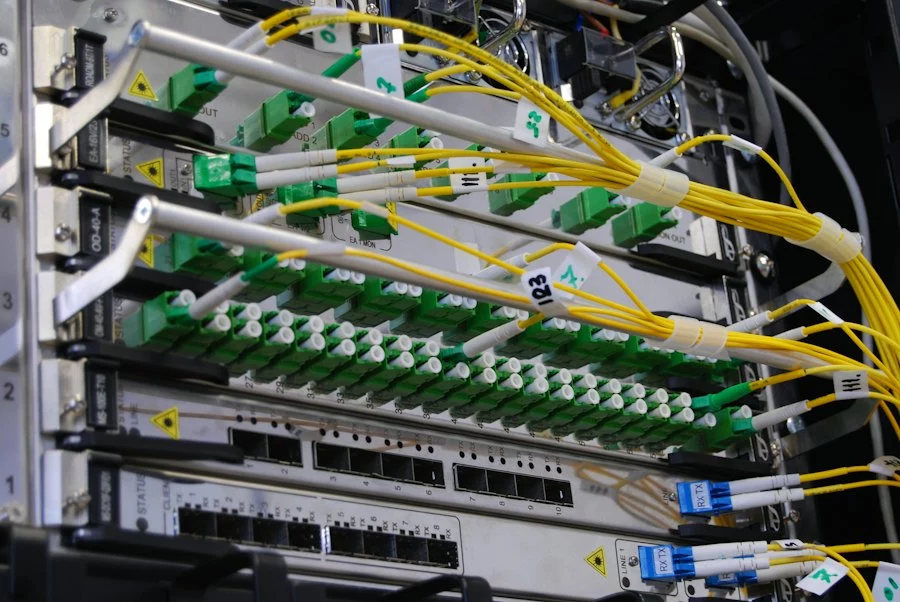
OT / Industrial Cyber Security
OT security for factories, buildings and utilities: we find every connected controller, watch industrial traffic without touching production, and separate IT from OT so an office infection cannot stop the plant. Built around how operational technology actually runs.
- Passive, production-safe monitoring
- IT/OT segmentation
- CII-aware
- CREST-accredited testing partner, globally recognised standards
-
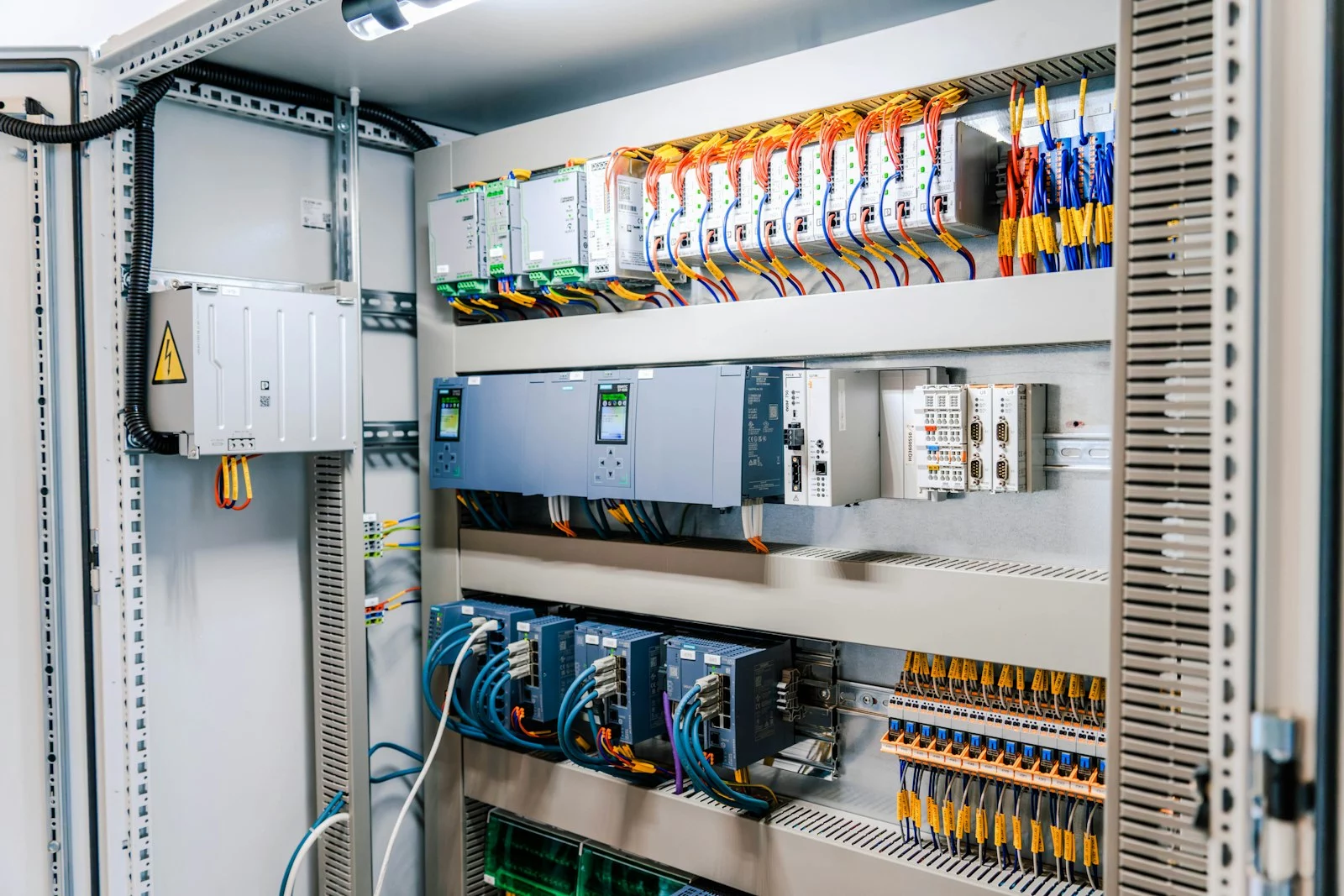
Every asset found PLCs, HMIs and sensors
-
Passive monitoring No impact on production
-
IT and OT separated A proper industrial DMZ
-
Built for the plant floor Legacy systems included
The risk OT security solves
Operational technology was built to run for decades, not to face the internet.
IT and OT are converging
Plant systems now connect to office networks, the cloud and remote vendors.
Legacy systems cannot be patched
Controllers and HMIs run software that is unsupported or cannot be taken offline.
CII obligations
Critical information infrastructure owners have duties under the Cybersecurity Act.
No visibility
Nobody knows every device on the plant network or what it talks to.
What is OT security?
OT security protects the operational technology that runs physical processes: industrial control systems, PLCs, HMIs, SCADA and building management systems. It focuses on keeping processes safe and available, using asset discovery, passive network monitoring, segmentation between IT and OT, and response plans built for environments that cannot simply be switched off.
In OT, availability and safety come first. Security controls have to protect without disrupting production, which is why monitoring is passive and changes are planned with operations teams. Passive OT monitoring can feed our managed SOC services, and our cyber security consulting team helps plan segmentation and changes with the plant team.
How it works
-
1
See
Discover every OT asset, passively.
-
2
Separate
Segment IT from OT and zones from each other.
-
3
Watch
Monitor industrial traffic for threats.
Key OT security capabilities
The Purdue model, from enterprise IT down to the physical process, with where segmentation and monitoring sit.
- Level 5 Enterprise network Email, internet, corporate IT
- Level 4 Business systems ERP, planning, site business systems
- Level 3.5 IT/OT DMZ Jump hosts, data diodes, patch and AV servers
- Level 3 Site operations Historians, SCADA servers, engineering workstations Monitoring
- Level 2 Supervisory control HMIs, operator stations Monitoring
- Level 1 Basic control PLCs, RTUs, safety controllers
- Level 0 Physical process Sensors, actuators, motors, valves
OT asset discovery
A complete inventory of controllers and devices, found passively.
Levels 0 – 3
OT network monitoring
Industrial protocol monitoring that spots threats and unexpected changes.
Levels 2 – 3
Segmentation
An IT/OT DMZ and zones that limit how far an attack can spread.
Level 3.5 and between zones
ICS assessment
A review of control systems against IEC 62443 and good practice.
Levels 1 – 3
OT incident response
Response plans agreed with operations, so safety comes first.
All levels
OT security use cases
OT projects start from the site and what it runs.
-
If you need to Protect a manufacturing plant
We deploy Asset discovery, passive monitoring and an IT/OT DMZ, rolled out line by line.
-
If you need to Secure building management systems
We deploy Segmentation of BMS networks and secure remote access for vendors.
-
If you need to Meet utility and CII obligations
We deploy An ICS assessment and monitoring aligned to the CII requirements that apply to you.
-
If you need to Control vendor remote access
We deploy Brokered, recorded remote access instead of always-on connections.
OT security vendors and options we deploy
Specialist OT platforms, chosen for your protocols and sites.
| Option | Best for | Deployment | Licensing |
|---|---|---|---|
| Claroty | Large industrial estates and CII operators | On-prem sensors with central management | Per site or per asset, subscription |
| Nozomi Networks | Multi-site industrial and utility monitoring | On-prem sensors, cloud or on-prem console | Per sensor or per asset |
| Microsoft Defender for IoT | Organisations standardised on Microsoft security | On-prem sensors, cloud console | Per site, subscription |
| Industrial firewalls | Segmentation between IT, DMZ and OT zones | Appliances rated for industrial sites | Hardware plus subscription |
Product names are examples. We are vendor-neutral and recommend what fits your environment and budget.
How we deliver: assess, deploy, manage
A clear path from first conversation to a tool that is tuned, adopted and looked after.
-
01
Free assessment
We review your environment, data flows and current tools, and agree what good looks like.
1 to 2 weeks -
02
Design and proof of concept
We recommend the right option and prove it on a small group of users or systems first.
2 to 4 weeks -
03
Deployment and tuning
Roll-out in phases, policies tuned to cut false alarms, and your team trained to run it.
4 to 8 weeks -
04
Optional 24/7 management
We keep it updated, tuned and monitored, with a monthly report on what it caught.
Ongoing
Typical timeline: most deployments are live within 6 to 12 weeks of the assessment, depending on the number of users and systems.
Book an OT security assessmentCompliance this helps with
-
Cybersecurity Act (CII)
Supports the obligations of critical information infrastructure owners.
-
IEC 62443
Aligns zones, conduits and controls with the industrial security standard.
-
CSA OT Cybersecurity Masterplan
Follows the direction set out for OT security in Singapore.
OT security pricing and licensing
What you pay for OT security depends on how it is licensed and how much of the running you hand to us. We explain every line before you commit.
- Licensing model Per user, per device or per application, as a yearly subscription or (for some vendors) a perpetual licence.
- Coverage How many users, devices, sites or applications need protecting, and which modules you need.
- Deployment effort Design, integration with your existing tools, policy tuning and training.
- Managed add-on Optional ongoing management and 24/7 monitoring, priced monthly.
Thanks, .
A security advisor will contact you within one working day to arrange your free consultation.
OT security FAQs
Still unsure? Ask us directly on a free call.
-
No. OT monitoring is passive: sensors listen to a copy of network traffic and do not send anything to controllers. Any change to the network, such as segmentation, is planned with your operations team.
-
The Purdue model is a reference architecture that organises industrial networks into levels, from the physical process at Level 0 to enterprise IT at Level 5, with a DMZ between IT and OT. It is widely used to plan segmentation and monitoring.
Related solutions and services


Thanks, .
We will contact you within one working day to arrange your OT security assessment.